
Creative Work, Business Work, and the Attention Shifts Between Them
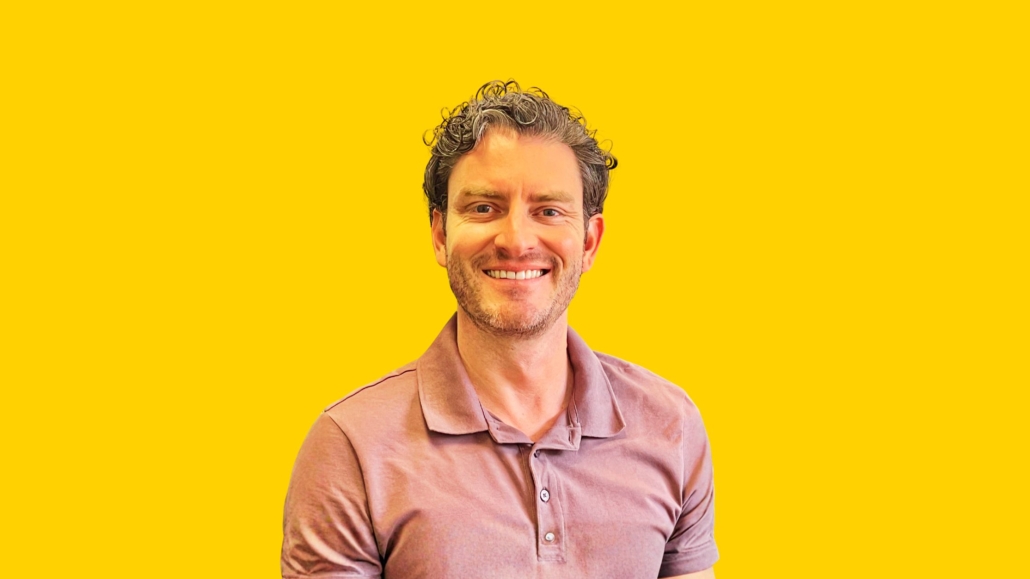
A Guest Blog from Embodiment Coach and Licensed Therapist Luke Percy.
A lot of artists I’ve spoken to can focus deeply when they’re making work. Hours can pass without much friction. There’s a kind of immersion to it, a steadiness in attention.
Then they sit down to send an email, update their website, manage tasks or finances, or reach out about an opportunity, and…
Everything changes.
Suddenly it’s harder to get going. Their attention drifts, and other tasks become more appealing. Work that felt natural now feels effortful.
This often gets interpreted as a discipline problem, or procrastination.
More often than not, though, it’s something simpler:
Different kinds of work require different kinds of attention.
I’ve found it can be helpful to think in terms of attention modes. Consider these not as rigid categories, but different ways your attention organizes depending on what you’re doing.
Generative mode is where most artists feel at home. This is making, experimenting, following a direction that isn’t fully known yet. You’re inside the work. Here, attention tends to be more open, more sensory, and less structured.
Managerial mode is more about structure. Planning, organizing, keeping track of details, making decisions that move things forward. This kind of attention is narrower. It’s less about discovery and more about direction.
Relational mode involves other people. Think: communication, promotion, negotiation, visibility. Here, attention includes an awareness of how you’re being received. For a lot of artists—and honestly, for a lot of people—this is where more friction tends to show up.
The difficulty usually doesn’t come from engaging in any one of these modes on their own.
It comes from the movement between them.
You might spend the morning in a generative state, immersed and connected to the work. Then you try to switch into sending emails or pricing a piece. That shift asks your attention to reorganize.
That reorganization takes effort.
If you don’t account for it, it can feel like something is wrong. Perhaps you’ve experienced this, feeling that suddenly you’ve lost momentum, or like you can’t follow through on certain tasks.
What you’re often running into is simply the cost of switching modes.
Once you start to see your work this way, a few things begin to make more sense:
Why you can focus for long stretches in one context, and avoid another.
Why certain tasks feel heavier than they “should.”
Why forcing engagement often creates more resistance, not less.
The goal isn’t to eliminate friction completely. The goal is to change the story we bring to these moments, and so change the ways in which we approach them. It’s to understand what kind of work you’re doing, what kind of attention it asks for, and then to give yourself a bit of support when you shift between them.
That might mean taking a few minutes between tasks instead of jumping straight in. It might mean defining a smaller entry point for business work. Sometimes it’s as simple as recognizing:
This feels different because it is different.
Over time, that kind of awareness can change your relationship to the different elements of your work, and promote follow-through. Bringing less internal and emotional pressure to the moment allows for more clarity. In that clarity, we find a steadier way of moving between the parts of the work that matter.
About Luke Percy: Luke is an Embodiment Coach for driven individuals. He helps elite creatives pay closer attention to how their minds and bodies respond to pressure, stress, and uncertainty. He assists the conversion of forced productivity into cognitive and nervous system pattern recognition that yields more energy and steadier rhythms. His goal is simple: clarity and trust so that creativity happens without artists losing connection to themselves in the process. Luke is a licensed therapist and embodiment coach based in Baltimore. With creative spirit he brings together psychological insight, mindfulness practice, and nervous system awareness. He is a Springbok, if his accent doesn’t give him away. He enjoys drinking whisky, reading, writing, exercising, and playing tug with his dog Wink.